
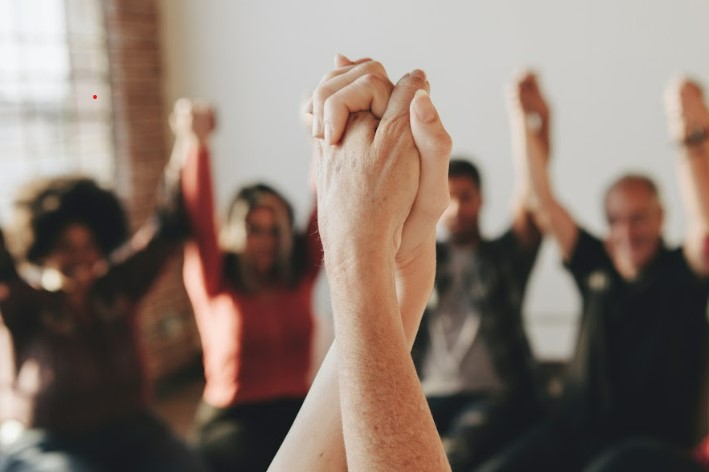
Addiction is often accompanied by deep emotional pain, trauma, and isolation, which can increase the risk of suicidal thoughts and behaviors. Recovery is not just about abstaining from substances; it is also about rebuilding life, finding connection, and creating hope. Recovery communities play a vital role in this process, offering support, accountability, and compassion that can significantly reduce the risk of suicide. At My Life Issues, we understand the importance of community in fostering healing and resilience for individuals navigating addiction and mental health challenges.
The Role of Community in Addiction Recovery
Communities provide a sense of belonging that is essential for individuals recovering from addiction. Peer support, group therapy, and social connections create environments where people feel seen, understood, and validated. This support can be lifesaving, especially for those experiencing suicidal ideation.
Peer Mentorship and Shared Experience
Individuals who have walked the path of recovery themselves can offer guidance, understanding, and encouragement to those currently struggling. Peer mentorship allows for authentic connection, reducing feelings of isolation and instilling hope. Knowing that someone else has faced similar challenges and survived can be a powerful motivator for recovery and suicide prevention.
Group Therapy and Emotional Support
Group therapy provides a structured environment where participants can share their experiences, learn coping strategies, and gain perspective from others. These sessions reinforce the understanding that struggles are not faced alone, creating a supportive network that encourages resilience and personal growth.
Integrating Mental Health and Addiction Treatment
Recovery communities are most effective when they incorporate comprehensive mental health treatment alongside addiction care. Understanding and addressing co-occurring mental health conditions, such as depression, anxiety, and trauma, is crucial in reducing suicide risk. My Life Issues offers evidence-based therapies, including cognitive behavioral therapy, mindfulness techniques, and trauma-informed care, within a supportive community setting.
Inpatient and Outpatient Programs
Structured programs provide stability and safety during the critical early stages of recovery. Inpatient care offers intensive support, while outpatient programs maintain continuity and reinforce coping strategies in everyday life. Both settings foster connection, accountability, and guidance from trained professionals and peers.
Holistic and Faith-Based Approaches
Holistic approaches address the mind, body, and spirit, offering tools for emotional regulation, spiritual reflection, and overall well-being. Faith-based support can provide individuals with a sense of purpose and belonging, reinforcing hope and meaning during recovery. Incorporating these practices within a community framework strengthens resilience and reduces vulnerability to suicidal thoughts.
Practical Ways Recovery Communities Promote Suicide Prevention
- Encourage Open Communication: Create safe spaces for individuals to share feelings and challenges without judgment.
- Offer Peer Support and Mentorship: Facilitate connections with those who have successfully navigated similar struggles.
- Provide Education and Resources: Equip community members with knowledge about mental health, crisis response, and coping strategies.
- Foster Holistic Well-Being: Incorporate mindfulness, spiritual practices, and wellness activities to support mental and emotional health.
- Maintain Continuous Engagement: Ensure ongoing participation in community activities to reduce isolation and sustain motivation.
Moving From Crisis to Change
Recovery communities transform crises into opportunities for growth, connection, and hope. By fostering belonging, providing mentorship, and integrating mental health care, these communities significantly reduce the risk of suicide for individuals in recovery. At My Life Issues, we offer compassionate, individualized, and holistic support that empowers people to turn their struggles into a foundation for lasting change.
If you or a loved one are struggling with addiction or suicidal thoughts, reach out to My Life Issues today. Together, we can build a path toward healing, hope, and meaningful recovery.