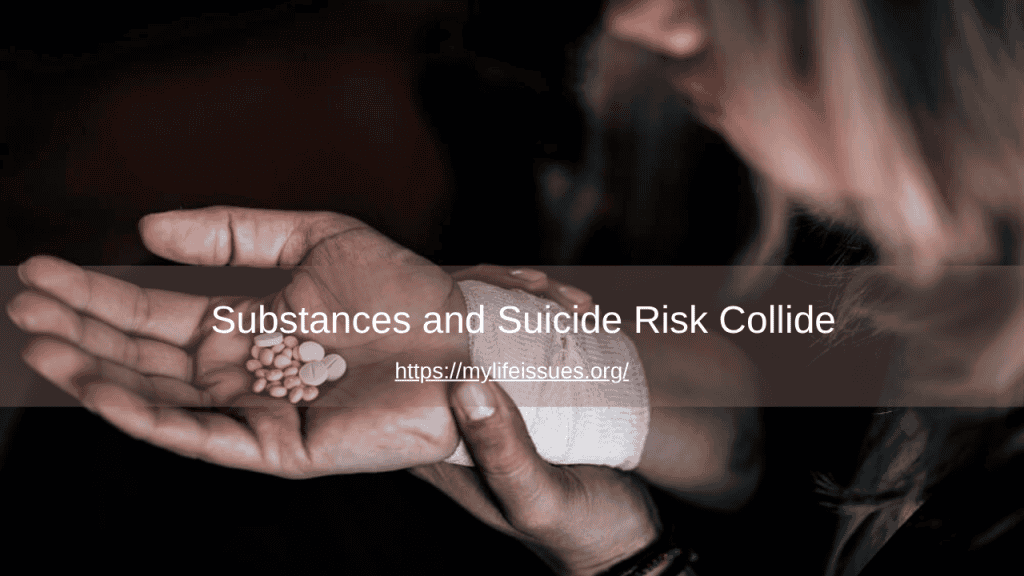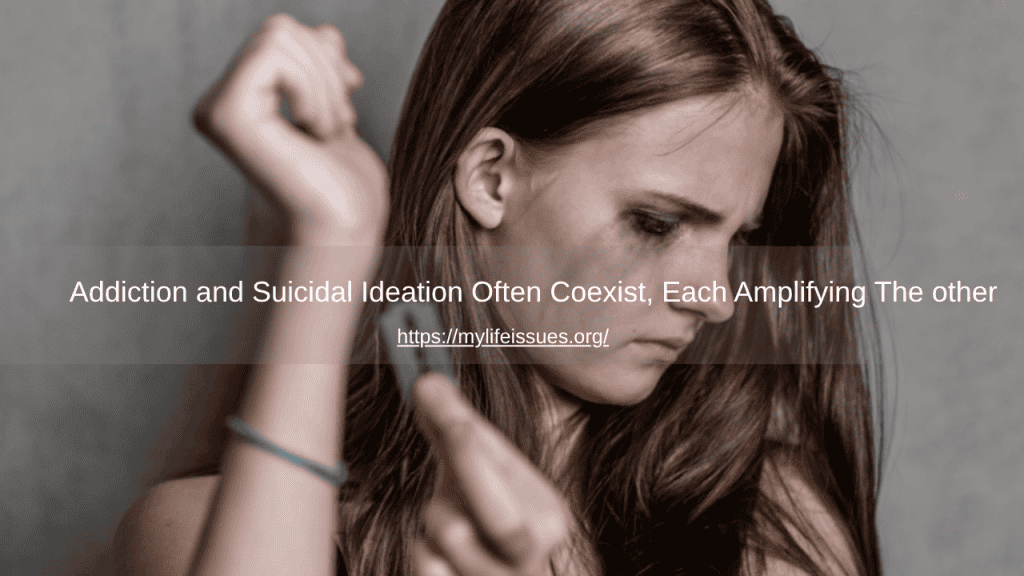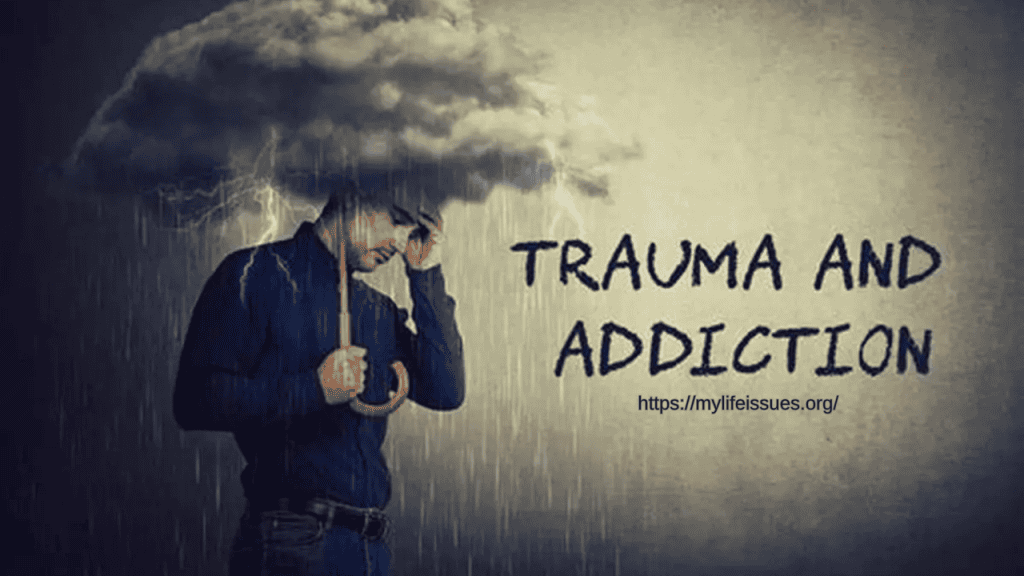
Addiction and suicide are two of the most pressing mental health crises facing society today, and they are often deeply connected. Many individuals battling addiction struggle with feelings of hopelessness, guilt, and emotional pain that can lead to suicidal thoughts. The silence surrounding these struggles can make recovery even harder. At My Life Issues, we believe that addressing both addiction and suicide risk together is vital to building a lasting foundation for healing and hope.
Understanding the Connection Between Addiction and Suicide
Substance abuse is often more than just a physical dependency. It is a response to emotional wounds, trauma, or mental health conditions that have gone untreated. Drugs and alcohol may provide temporary relief, but over time, they intensify the very pain they are meant to numb. This cycle can lead to isolation, shame, and despair, increasing the risk of suicide.
During recovery, individuals begin to face these underlying emotions without the numbing effect of substances. This process can be difficult but is also the first step toward true healing. Recognizing the link between addiction and suicide allows individuals and treatment providers to focus on comprehensive recovery that supports both physical sobriety and emotional wellness.
Why Open Conversations Matter
Silence and stigma can make those struggling with addiction and suicidal thoughts feel invisible. Breaking that silence creates an opportunity for connection, compassion, and change. Talking openly about mental health and addiction can reduce shame and encourage people to seek help earlier.
At My Life Issues, we promote open dialogue through counseling, group therapy, and faith-based support. These safe spaces allow individuals to express emotions honestly and receive validation from others who understand their journey. This transparency builds trust, a crucial element in preventing relapse and reducing suicide risk.
How Recovery Programs Can Lower Suicide Risk
Integrated Mental Health and Addiction Treatment
True recovery means treating the whole person, not just the addiction. Our programs combine mental health counseling, addiction therapy, and evidence-based treatments to address both conditions simultaneously. This integrated approach reduces the likelihood of untreated depression or anxiety, which can contribute to suicidal thoughts.
Holistic Healing Approaches
Recovery is about more than quitting substances. Holistic care nurtures the body, mind, and spirit through practices like mindfulness, exercise, nutrition, and faith-based therapy. Spiritual connection helps many individuals find meaning and strength, offering renewed hope and purpose in their lives.
Building Support Systems
No one recovers alone. Peer support, family involvement, and community connections are key to sustaining progress. Group therapy and mentorship programs help individuals develop meaningful relationships, which can be life-saving during difficult moments.
Practical Steps to Prevent Suicide in Recovery
- Stay Connected: Reach out regularly to support groups, therapists, and loved ones.
- Develop a Crisis Plan: Work with professionals to create a step-by-step guide for managing emotional distress.
- Prioritize Self-Care: Focus on sleep, nutrition, and activities that promote inner peace.
- Embrace Faith and Purpose: Spiritual grounding helps many individuals rebuild a sense of meaning after addiction.
A Path Toward Hope and Healing
Recovery is not just about overcoming addiction; it is about rediscovering life’s purpose and joy. Breaking the silence surrounding suicide and addiction opens the door to healing, understanding, and connection. At My Life Issues, we provide compassionate, individualized care that empowers people to heal from within and find hope beyond the pain.
If you or someone you know is struggling with addiction or suicidal thoughts, help is available. Contact My Life Issues today to begin a personalized journey toward recovery, healing, and a brighter tomorrow.