
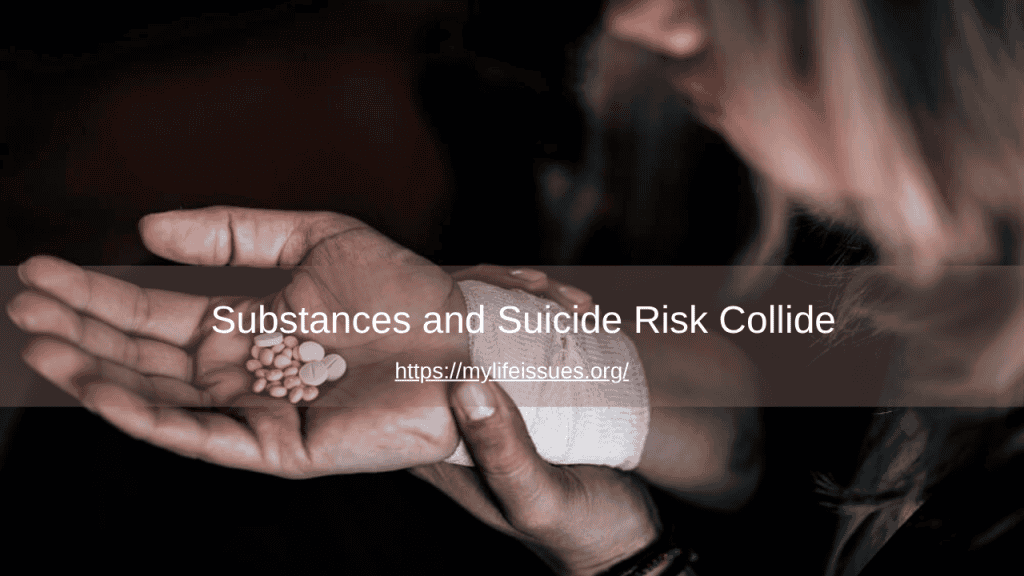
Substance abuse and suicide risk are deeply interconnected issues that can dramatically impact an individual’s journey toward recovery. For those struggling with addiction, the emotional and psychological toll can amplify feelings of hopelessness, sometimes leading to suicidal thoughts. Recognizing this connection is essential for anyone seeking long-term recovery and meaningful healing. At My Life Issues, we understand that addressing both addiction and suicide risk is a critical part of supporting individuals on their path to wellness.
Understanding the Link Between Substance Abuse and Suicide Risk
Addiction often masks underlying mental health issues, such as depression, anxiety, or past trauma. While substances may temporarily numb emotional pain, they do not resolve the root causes. In fact, prolonged use can exacerbate negative feelings and create a dangerous cycle of dependency and despair. During recovery, when substances are removed, individuals may confront raw emotions for the first time, which can heighten the risk of suicidal thoughts.
Acknowledging this link allows recovery programs to implement comprehensive strategies that address both the physical and emotional aspects of addiction. Integrating mental health support with addiction treatment is crucial for creating a safer and more sustainable recovery journey.
Key Components Every Recovery Journey Should Include
Comprehensive Mental Health Assessment
Early assessment of mental health conditions can identify underlying issues that contribute to both addiction and suicide risk. Proper diagnosis and treatment plans allow professionals to provide targeted therapy, ensuring that emotional struggles are addressed alongside substance use.
Individualized Care Plans
Every recovery journey is unique. Personalized treatment plans consider factors such as medical history, mental health status, and personal goals. By tailoring care to the individual, recovery programs can effectively reduce the risk of relapse and suicidal ideation.
Holistic Approaches
Holistic care addresses the mind, body, and spirit. Incorporating practices such as mindfulness, exercise, and nutritional guidance alongside traditional therapy supports overall well-being. Faith-based approaches can also offer emotional grounding and a sense of purpose, which are powerful tools for reducing suicide risk.
Peer Support and Community Engagement
Recovery communities provide a supportive environment where individuals can share experiences and receive encouragement. Peer mentorship and group therapy foster connection, reduce isolation, and reinforce resilience, which are critical in preventing suicidal thoughts.
Practical Steps for Individuals in Recovery
- Engage in Regular Therapy: Consistent counseling helps process emotions and develop coping strategies.
- Create a Safety Plan: Work with professionals to identify triggers and establish steps for managing crises.
- Join Support Groups: Peer support can offer understanding and accountability.
- Practice Self-Care: Adequate sleep, nutrition, exercise, and mindfulness practices strengthen resilience.
- Involve Family or Trusted Individuals: Building a support network ensures access to help during challenging moments.
Moving Toward Healing and Hope
Addressing both substance abuse and suicide risk is essential for a safe and successful recovery. At My Life Issues, we provide comprehensive, compassionate care that combines mental health treatment, addiction recovery programs, and holistic support. Our goal is to empower individuals to reclaim their lives, develop resilience, and build a future filled with hope.
If you or a loved one are struggling with addiction and suicidal thoughts, know that support is available. Reach out to My Life Issues today to begin a journey toward healing, safety, and meaningful recovery.